

Cancer Care/Oncology
Request an Appointment
See a Provider
Related Care Providers
Find a Team
Related Care Locations
Find a Location
Advanced Treatment from Compassionate Experts
If you have cancer, choosing the right program may be one of the most important decisions you’ll ever make.
When you trust Crozer Health for your cancer diagnosis and treatment, our experienced staff will be with you every step of the way.
Exceptional cancer care treats you as a whole person and meets your needs for medical treatment, emotional support, and physical comfort. That’s the kind of care you’ll receive at Crozer Health.
Crozer Health’s unique approach to treating cancer can’t be found at every cancer center. Our multidisciplinary team includes dozens of physicians who are trained in oncology sub-specialties, along with a support network of nurses, therapists and patient care navigators.
Comprehensive Cancer Treatment
Crozer Health provides you with a comprehensive approach to cancer care. We combine advanced diagnosis and treatment with the care that supports your need.
Our oncology program includes prevention, diagnostic, treatment, and support services for a variety of cancers, including:
- Bladder
- Bone and Spine
- Brain
- Breast
- Colorectal
- Gynecologic
- Hepatobiliary (liver, bile ducts, and pancreas)
- Lung
- Prostate
- Skin
Cancer professionals at Crozer Health remain at the forefront of cancer care, and constantly explores and implements the latest technology to help enhance each patient's treatment plan.
Our talented, experienced, and compassionate team works to tailor treatment to each patient's unique condition and situation. We work closely with you to plan and move forward with your treatment.
Imaging and Diagnostics
Treatment Options
Programs and Services
Cancer Support Groups
Crozer Healthoffers a variety of cancer support groups for those who are fighting cancer or helping a loved one through a difficult diagnosis.
Patient-Centered Cancer Care
Crozer Health’s patient care navigators offer education, support and resources to help cancer patients overcome any barriers that may prevent them from getting the services they need.
Navigators are trained nurses who coordinate a care plan for patients from initial testing to consultation with surgeons, radiation oncologists and medical oncologists. They focus on educating patients and families, facilitating communication with other physicians, finding appropriate support groups and offering aid in insurance matters.
This assistance is FREE – there’s no charge to you or your insurance company. Our patient care navigators, based at our three regional cancer centers, support patients at all Crozer Health hospitals.
Meet Our Patient Care Navigators
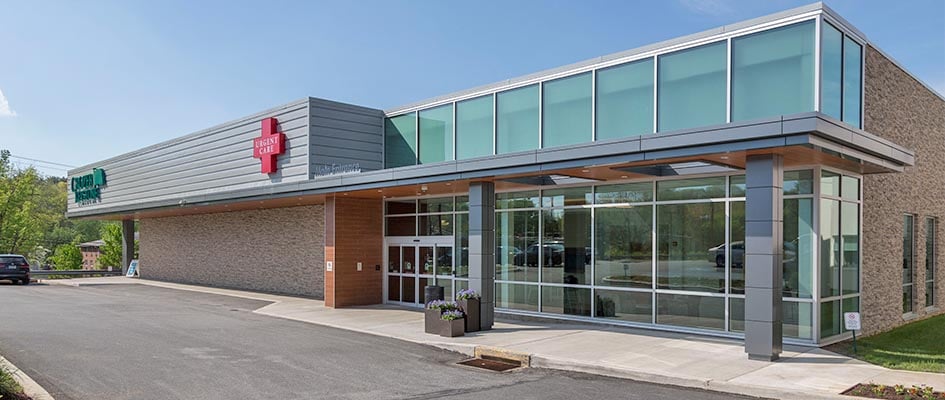
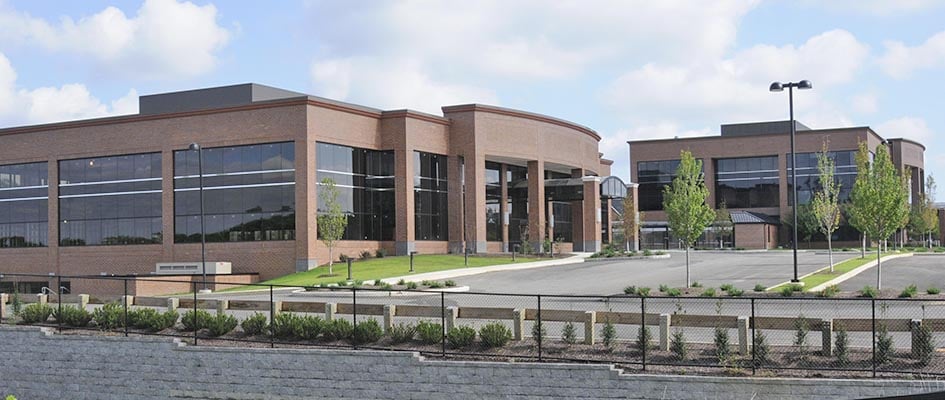
Crozer Health Regional Cancer Center at Brinton Lake
Nurse Manager:
Teri Brennan, R.N.
610-579-3609 or theresa.brennan@crozer.org
Nurse Navigator:
Cathleen Petrucci, R.N., MSN
610-579-3621 or Cathleen.petrucci@crozer.org
Crozer Health Regional Cancer Center at Broomall
Nurse Navigator:
Patricia Hollenback, R.N., BSN, OCN
484-446-3644 or patricia.hollenback@crozer.org
Radiation Therapy Nurse:
Catherine Heagy, MSN, RN, AGPCNP-BC, CCRN
484-446-3648 or catherine.heagy@crozer.org
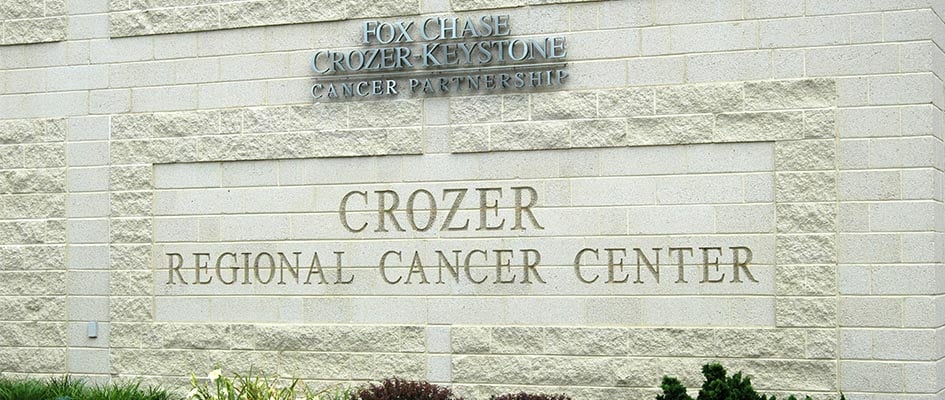
Crozer Regional Cancer Center at Crozer Chester Medical Center
Nurse Navigator Coordinator
Patricia Garnett
610-447-2645 or patricia.garnett@crozer.org
Radiation Therapy Nurse:
Cynthia Wassell, R.N.
610-447-2653 or cynthia.wassell@crozer.org
Delaware County Regional Cancer Program at DCMH
Nurse Navigator:
Alicia McCann, R.N., BSN
610-284-8287 or Alicia.mccann@crozer.org
Outreach/Education Specialist:
Debra Simon
610-284-8158 or 484-446-3647 or debra.simon@crozer.org
In Their Words: Cancer Patients
Regional Cancer Centers
Related Articles
-

Crozer Health Partners with Ambry Genetics® to Enable Patients to Identify Hereditary Cancer Risks
-

Crozer Health Now Offers Breast Cancer Patients a More Convenient Radiation Treatment Option with Fewer Side Effects
-
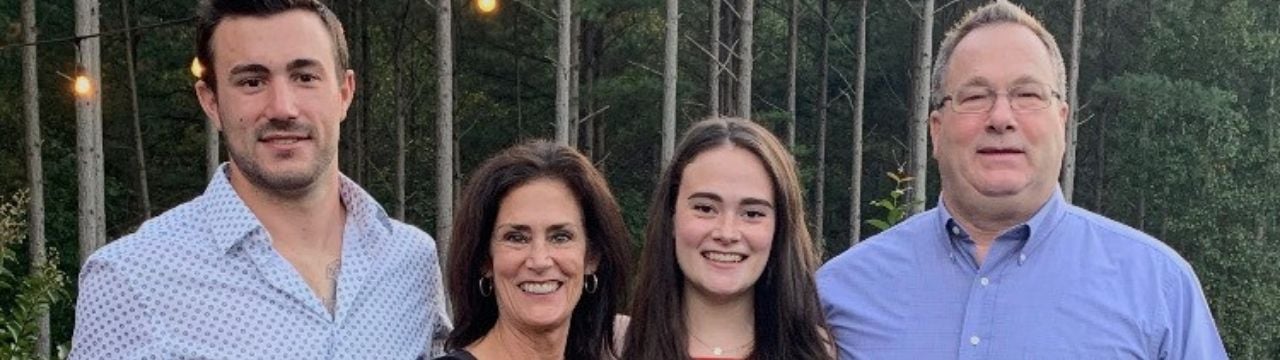
Risk-Reducing Surgery Turns into Much More
-
How the Interboro Teacher Became a Student of Cancer Care